

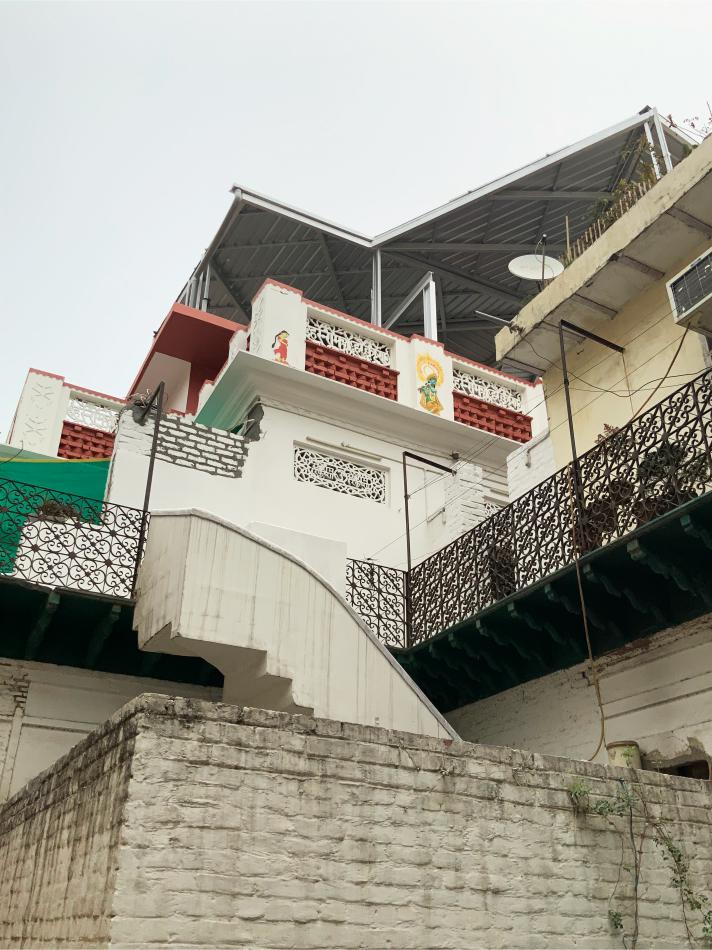
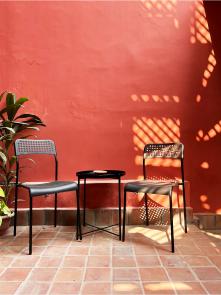
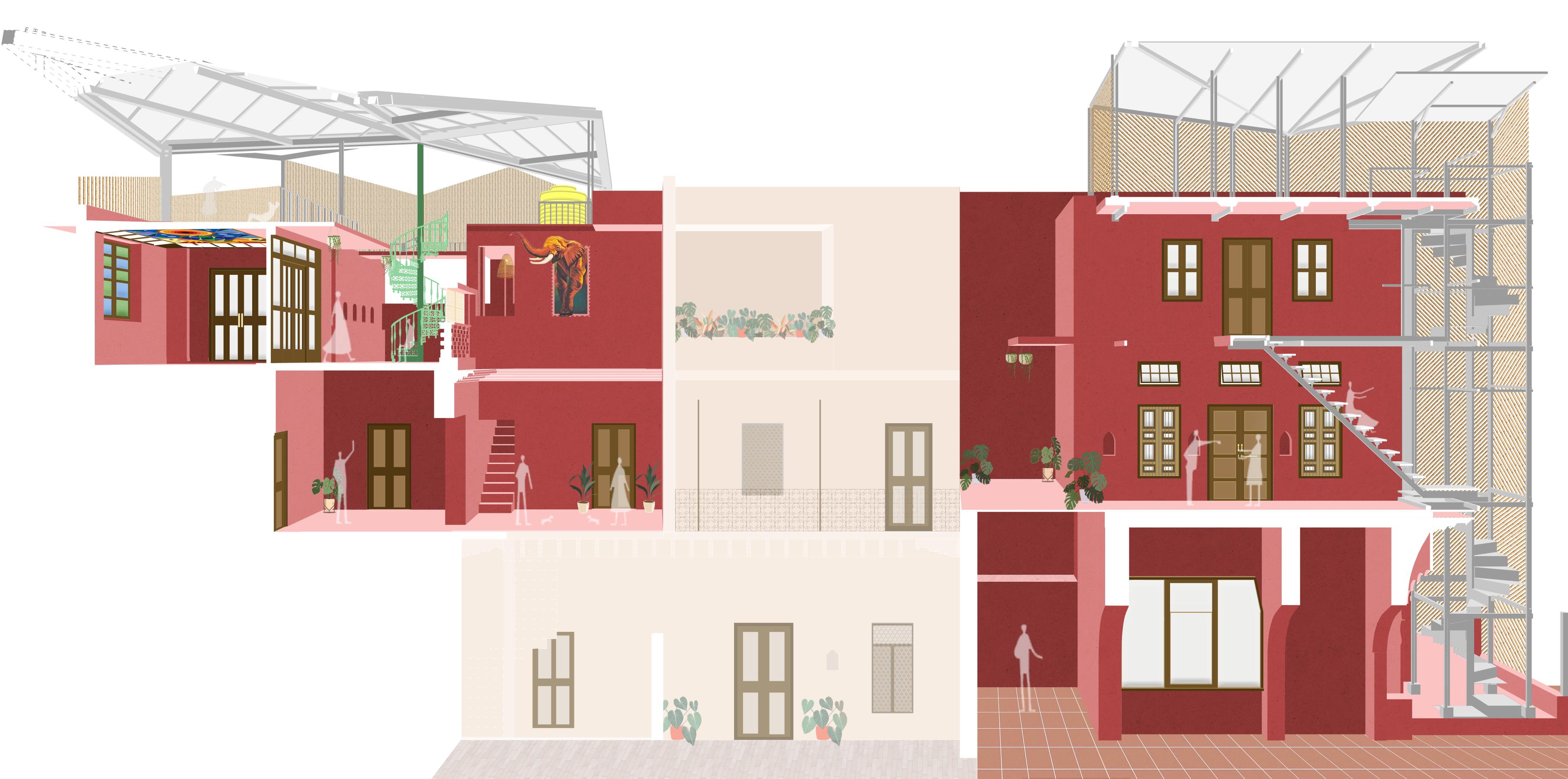
The project is set within a traditional haveli, in the urban village of Yusuf sarai in South Delhi: it was implemented in two distinct phases and involved re-developing two disparate portions of the larger building complex.
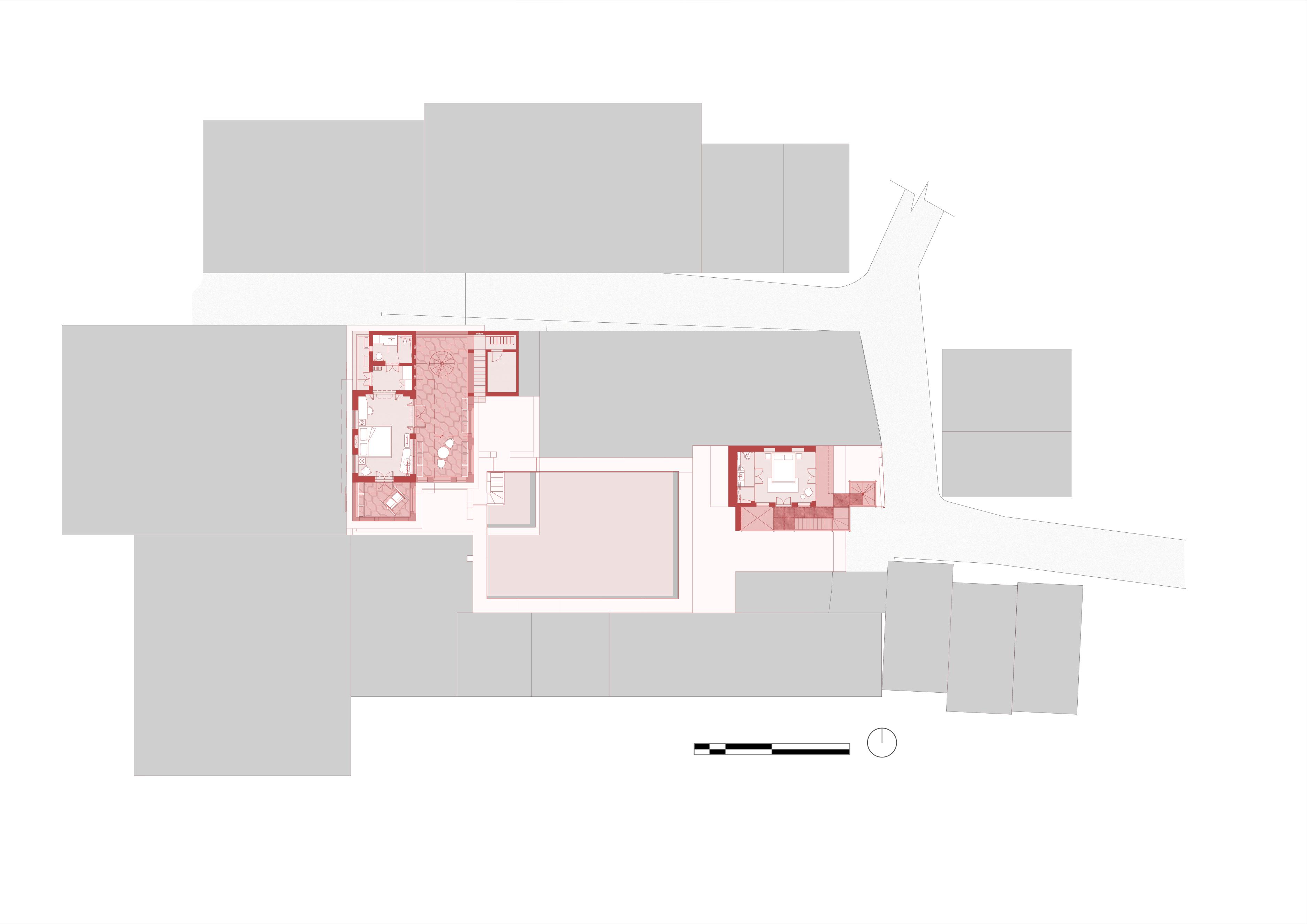
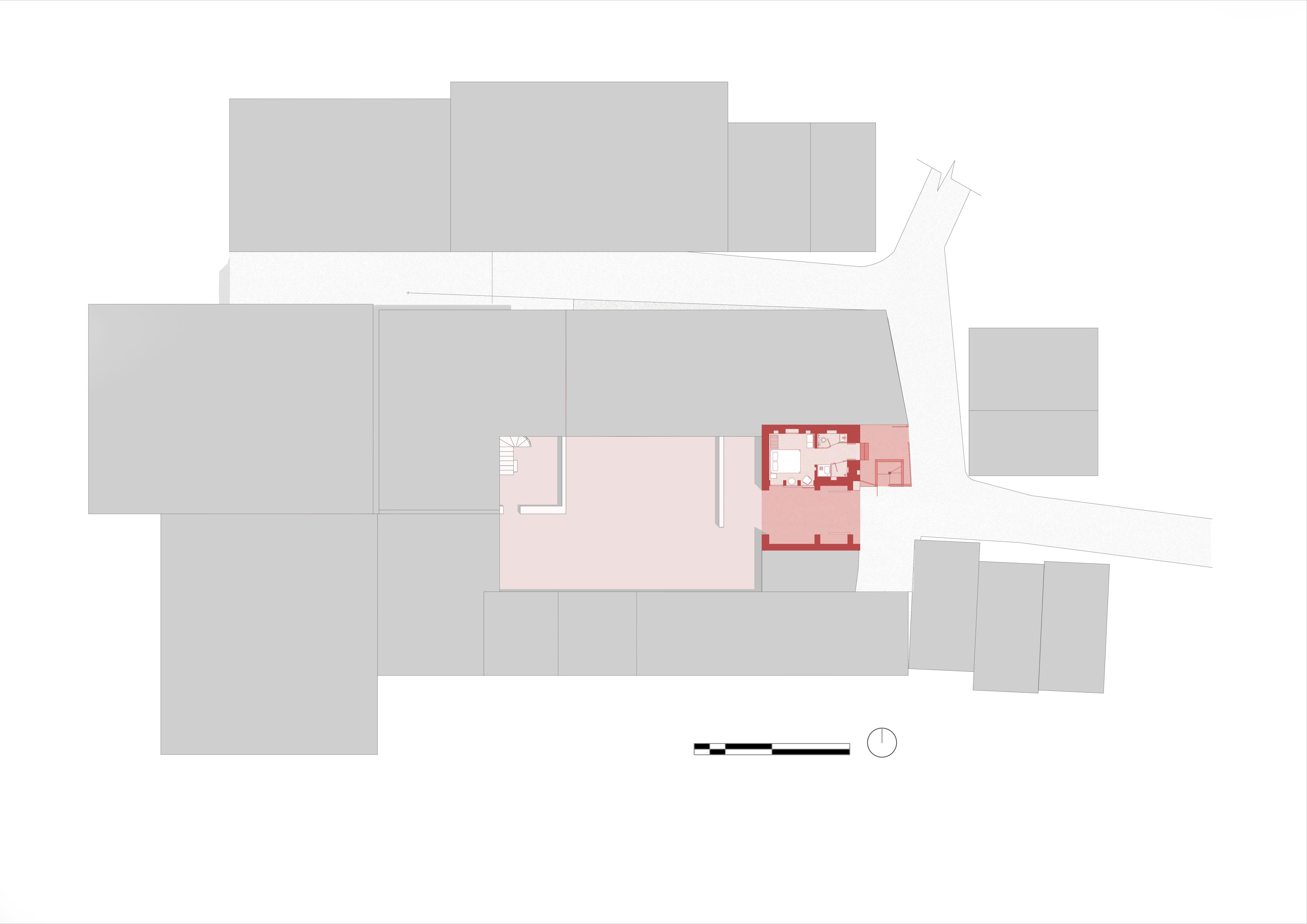
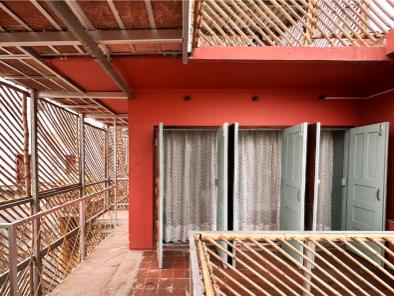
The first part involved stitching together rooms on three different levels of one section of the haveli in order to provide access through a common circulation.
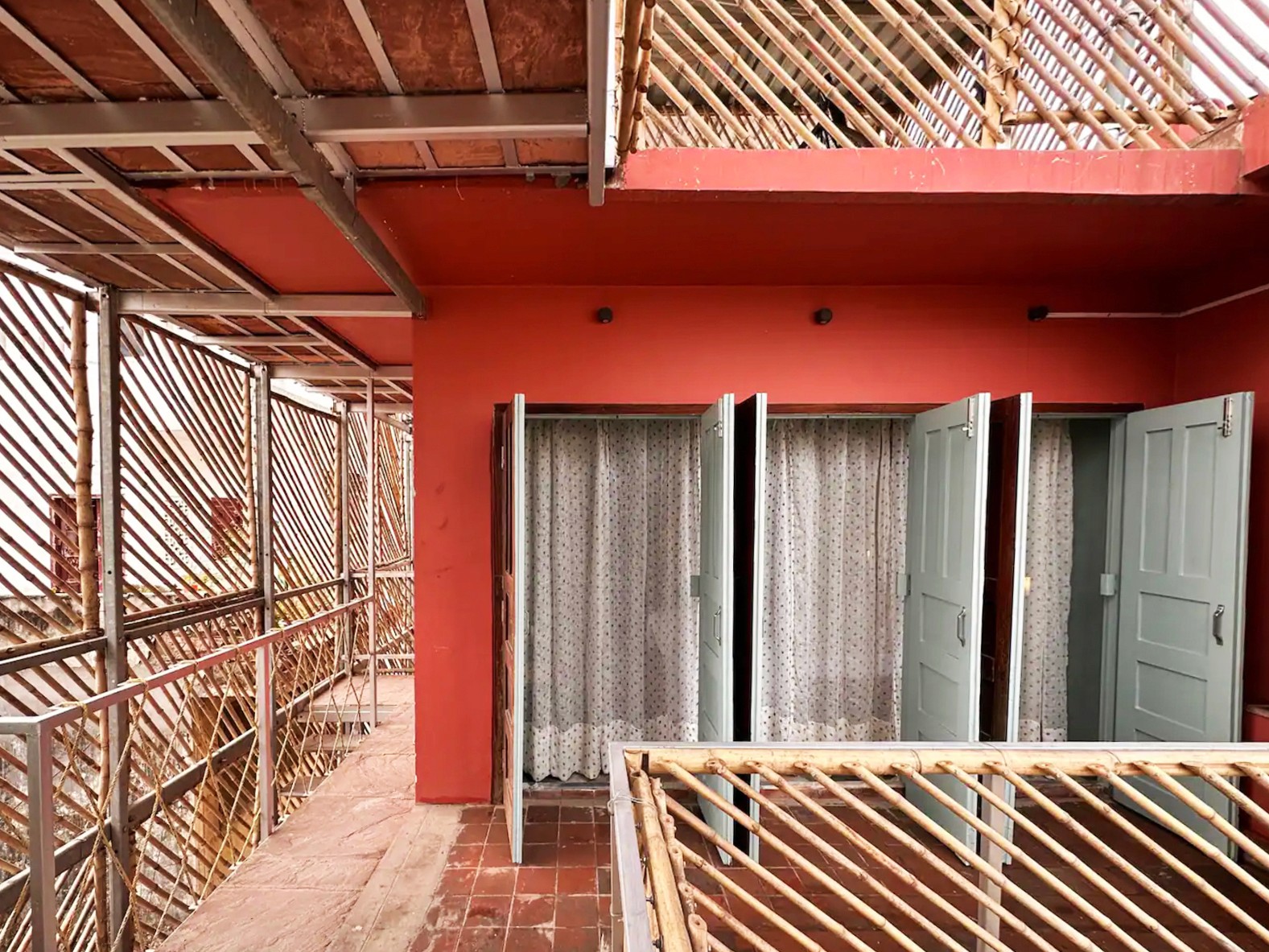
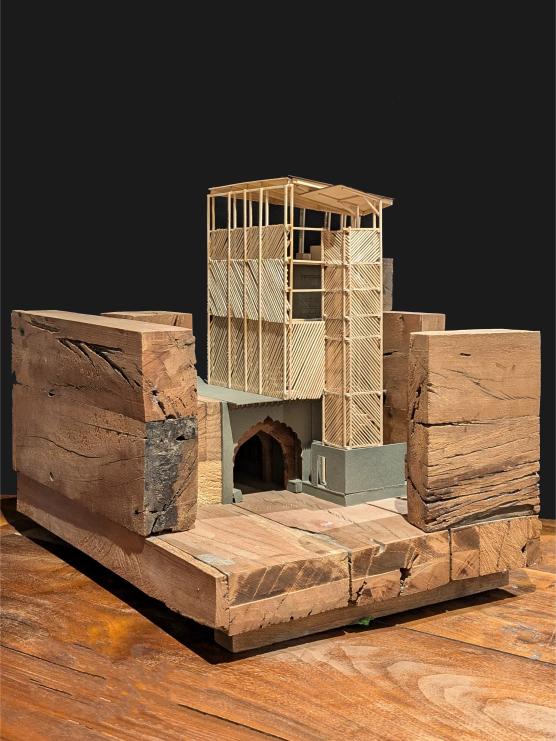
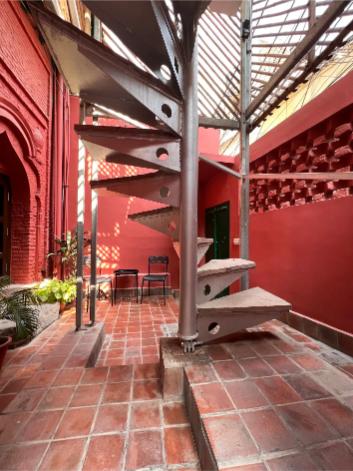
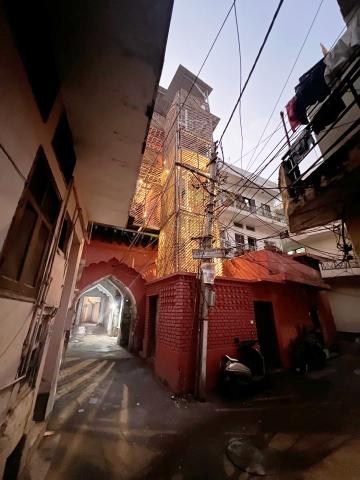
The architectural idea therefore, evolved into a structural steel armature – developed as a kit of dismountable parts - embracing the existing structure providing it with support from two sides, while simultaneously creating the circulation spine connecting the various floors with staircases and galleries.
A simple and handcrafted screen made of bamboo was woven onto this armature to serve as an architectural device that provides both privacy and safety.
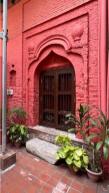
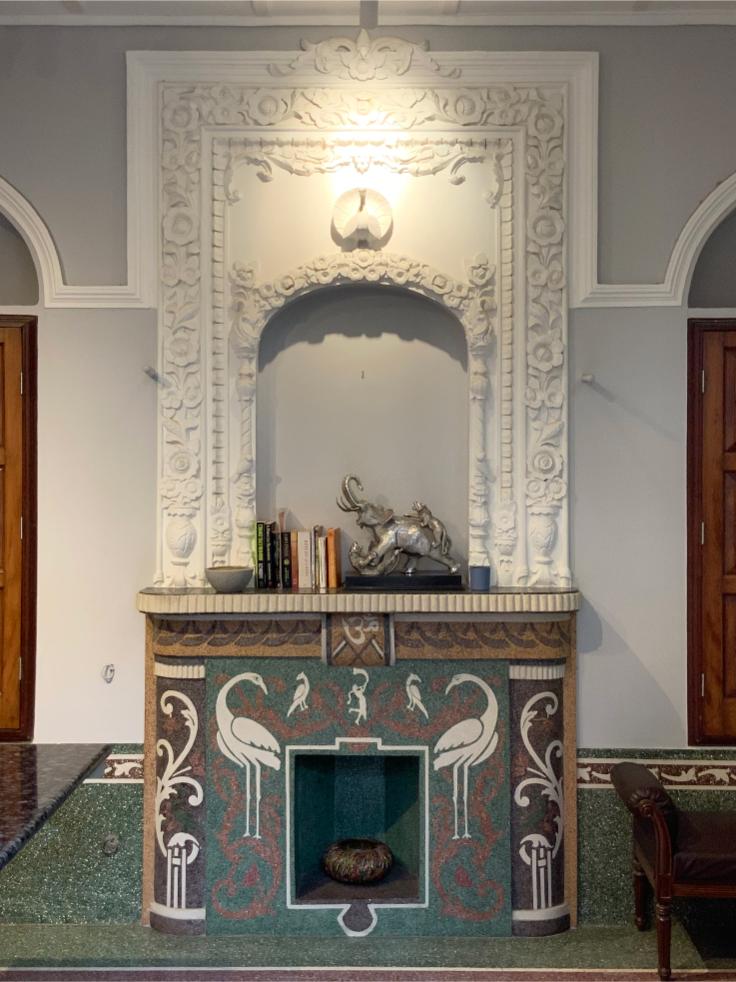
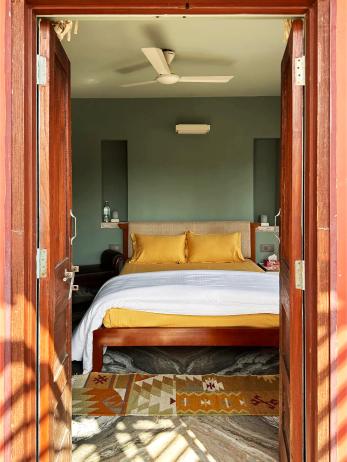
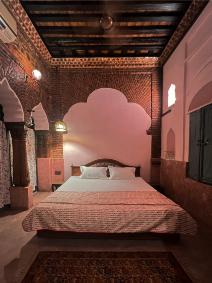
Internally, the original architectural features of the building were either retained as is or were refurbished to suit contemporary needs of the program.
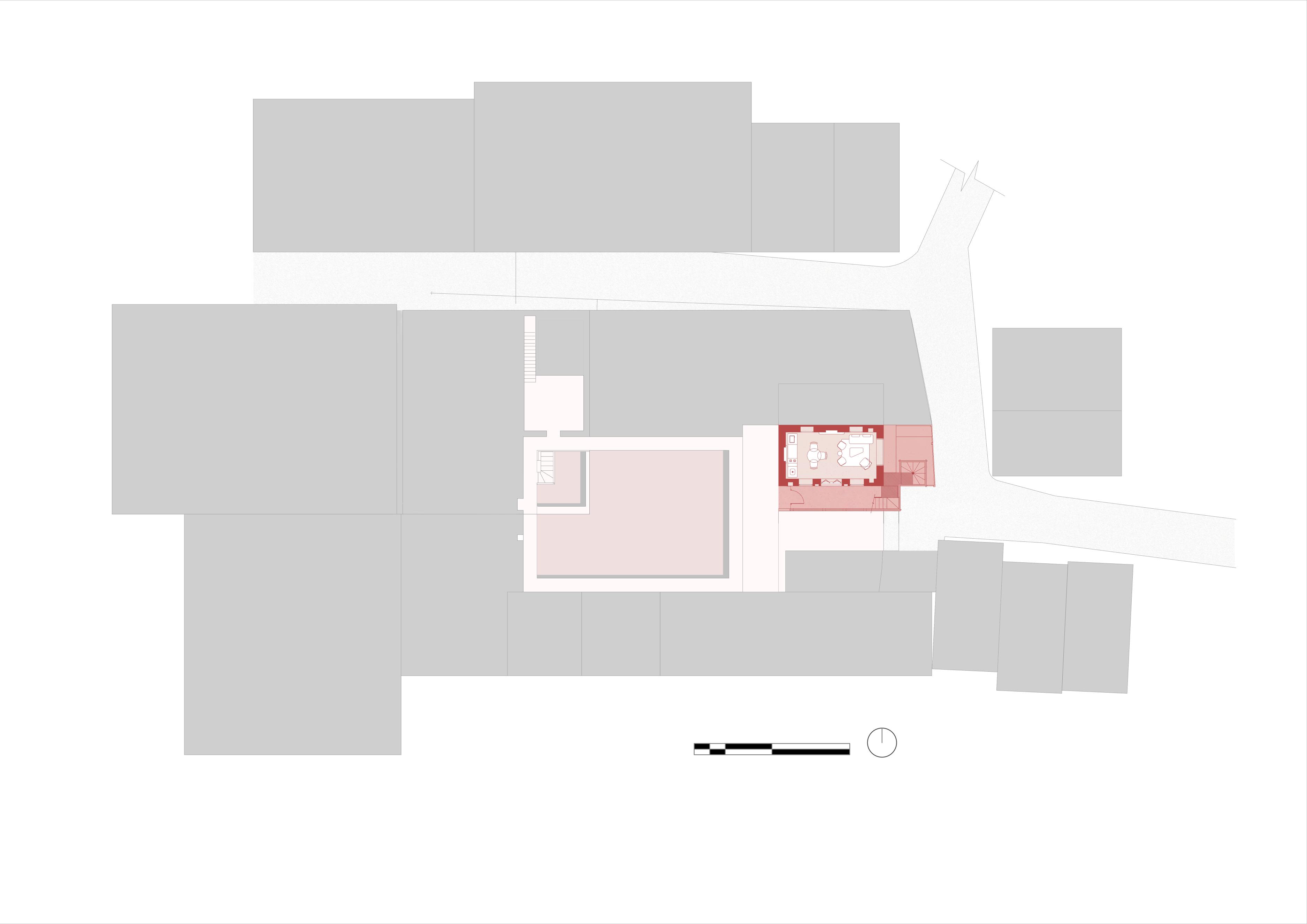
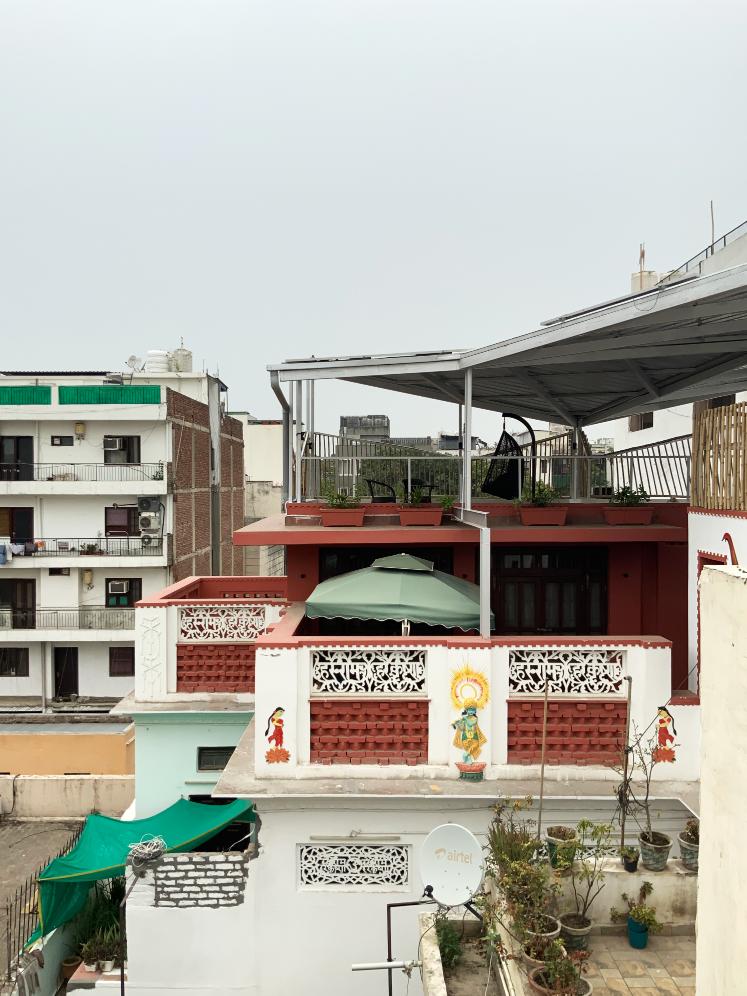
The second part involved restoring the ‘barsati’ room and the terraces surrounding it, on the top floor at the rear end of the haveli. The standalone room was extended to add service areas – a pantry and a washroom to it.
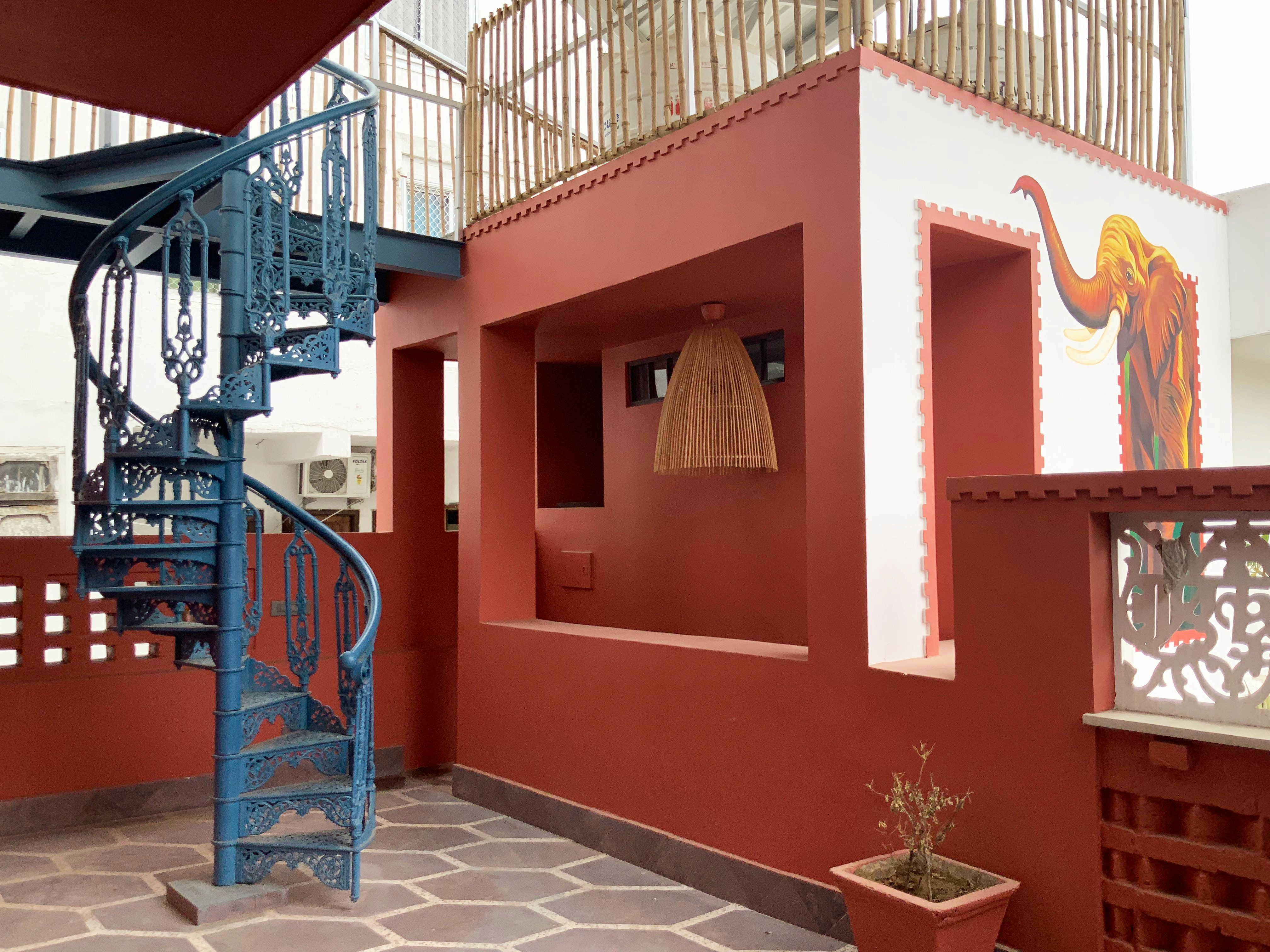
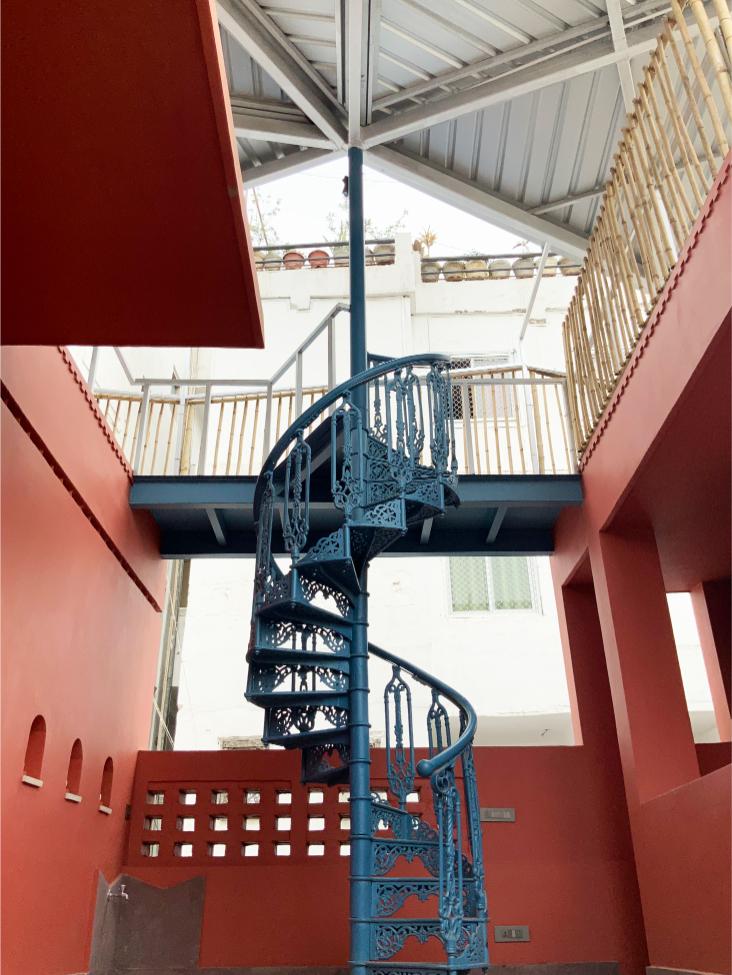
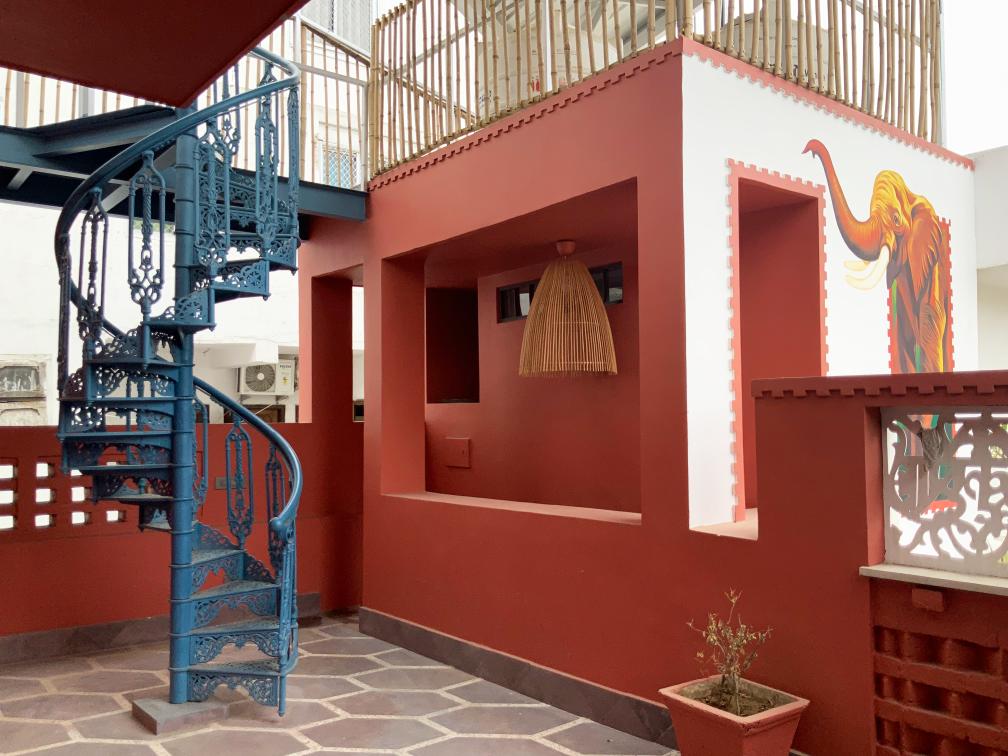
The two terraces accessible from this apartment was designed as places for release and relaxation. An old cast iron staircase salvaged from the first development was painted in a bright blue color and installed here as a totem, providing valuable access to the newly created terrace and acting as the primary support to the massive metal roof that covered a large portion of the barsati.
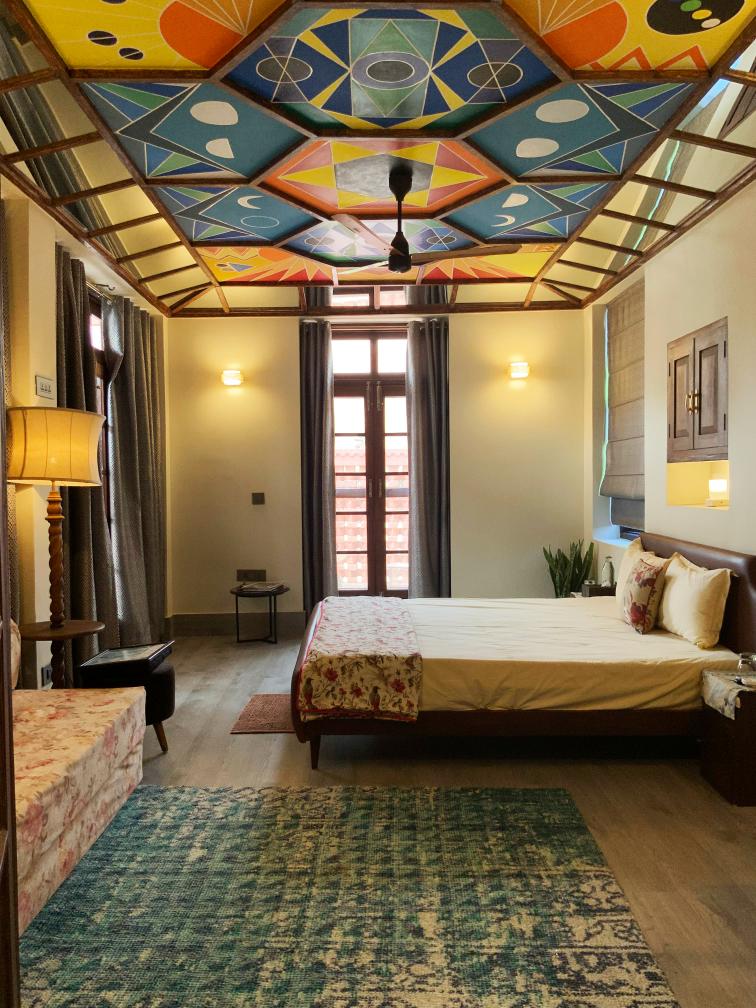
The interior of this newly created apartment was eclectic - the main feature being a hand-painted ceiling, edged with mirror paneling and decorated with dramatic geometric patterns in deep colors, representing abstract ideas such as man’s relationship with the cosmos.
Delhi
The post-independence urban expansion of the city of Delhi has produced a distinct urban form where planned neighborhoods sit side-by-side with formerly agrarian enclaves that are also rapidly urbanizing, and now known as urban villages. Yusuf Sarai is one such village that sits surrounded by neighborhoods such as Green Park, Hauz Khas etc. Traditionally used as a ‘travelers’ inn’, it is now a heavily commercialized neighborhood that also houses students and young professional while at the same time retaining some of the former charm in the form of a few traditional buildings and families living within them.